


Understanding Costa Rica's Zona Marítimo Terrestre (Maritime Terrestrial Zone)
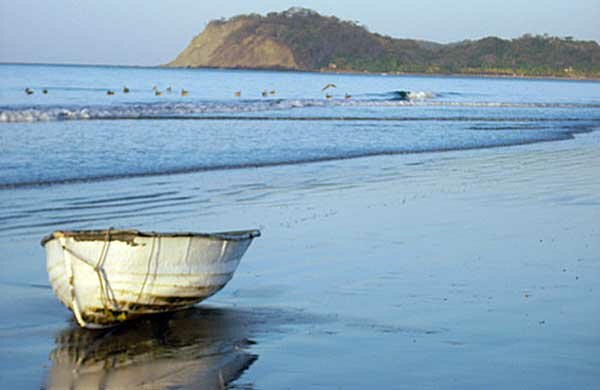
Costa Rica is definitely one of the most beautiful country's on earth. It is also one of the most attractive havens for expats and foreigners wishing to invest in tropical and oceanfront properties. However, all property found near the coastline or on the beach is located in what is known as the Zona Marítimo Terrestre. It is therefore subject to special rules and laws which foreigners need to understand before making any purchasing decision.
What is the Zona Marítimo Terrestre?The Zona Marítimo Terrestre (Maritime Terrestrial Zone) comprises all land which is located within 200 kilometers (125 miles) of Costa Rica's coastline. The Zona itself is divided into two sections:
The Public ZoneThe public zone is comprised of the first 50 meters from the coast line when the ocean is at high tide. This zone is considered public property and therefore no one is allowed to own or build anything on it. There are some exceptions to this rule. However, the laws concerning these exceptions can be a bit murky and therefore require a careful analysis prior to investing in this part of the Zona Marítimo Terrestre. Possible exceptions, allowing private property to be owned or built in this part of the Zona Marítimo Terrestre are as follows:
|
 |
Note: just because a piece of property falls into one of these categories and someone holds a legal title to it does not mean that it can be legally bought and sold. There may still be restrictions on such property so diligent research is definitely recommended in order to avoid the risk of expropriation later on.
The Restricted Zone
The restricted zone comprises the 150 meters located directly after the public zone. It is considered restricted because the Costa Rica government places many restrictions on it, mainly:
- Land in the restricted zone is generally not bought but it is rather given to individuals or private corporation as a lease concession for periods of around 5 to 20 years. These periods are generally renewable if approved by both the Costa Rican Institute of Tourism as well as the local municipal government.
- Foreigners that have lived in Costa Rica for less than 5 years are not eligible for a lease concession.
- Foreign corporations do not qualify either.
- Costa Rican companies do qualify for concessions however at least 50 percent of the company must be owned by Costa Rican nationals. In other words, foreigners cannot hold more than 50 percent of the stock in order for the company to qualify.
What does all this mean? Basically that foreigners need to use a Costa Rican Corporation in order to buy land or property in Costa Rica.
Keep in mind that the Restricted Zone is the legal jurisdiction of both local municipalities and the ICT (Costa Rican Institute of Turism). It is important that you insure that any property you intend to purchase within the restricted zone has the approval of both entities and is also in compliance with national laws and regulations. As sometimes local and national laws are in direct conflict with each other.
Conclusion
Costa Rica has some great and profitable real estate opportunities. However, foreigners need to take great care when investing in Costa Rica, especially in the Restricted Zone as there are risks involved. Small mistakes could potentially lead to big problems or even expropriation (i.e. when a property is forcefully taken away from you by the government). A little research and investigation up front may prevent huge problems later on. The best advice it to get good advice from a reputable real estate company which has a proven track record in the country.
Information provided by VivaReal Network
VivaReal is a real estate listings network with properties throughout Costa Rica. They specialize in helping expats and foreign investors make informed purchasing decisions by putting them in direct contact with local real estate agents which are experts in the markets they represent. Click on the link to find an ample list of Costa Rica real estate throughout the country.